Wellness
CBD oil buying guide: strength, spectrum and lab reports
CBD labels are a maze of percentages, spectrums and promises. How to read strength honestly, pick a spectrum, and verify a lab report before you pay.
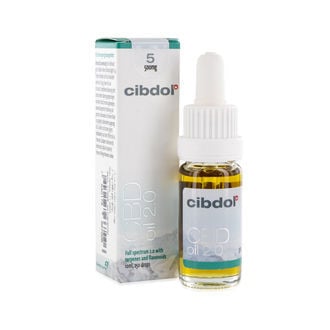
CBD oil has a labelling problem. Bottles shout percentages, milligrams, and words like pure, premium and maximum strength, while the facts that actually matter hide in small print or behind a QR code nobody scans. The result is predictable: beginners overpay for weak oil, or buy a strong oil without knowing what spectrum means. This guide gives you the three things worth understanding before you pay: strength, spectrum and proof.
What CBD oil actually is
CBD oil is cannabidiol dissolved in a carrier oil, usually hemp seed or MCT oil. The CBD itself is extracted from hemp flowers, most often with CO2, which is the industry standard because it avoids solvent residues. A finished bottle therefore has two numbers that matter: the total milligrams of CBD in the bottle, and the bottle size in millilitres. Everything else on the label is context for those two figures. Flavours, dropper design and packaging tell you nothing about what is inside.
Strength: read milligrams, not adjectives
A bottle labelled 10% in a 10 ml bottle holds roughly 1,000 mg of CBD, which is about 50 mg per ml. The same 10% in a 30 ml bottle holds three times as much oil at the same concentration, so the bottle costs more while each drop is identical. Always compare milligrams per ml and price per milligram across products, never the headline percentage or the bottle price alone. Beginners usually start with a low concentration, a few hundred milligrams per bottle, and adjust only after a week of consistent notes. More is not better by default, it is just more.
Spectrum: full, broad or isolate
- Full-spectrum contains CBD plus the plant's other cannabinoids, terpenes and trace THC within the legal limit. It tastes the most like hemp and is the choice of buyers who want the whole-plant profile.
- Broad-spectrum keeps the additional compounds but has the THC removed. It suits buyers who want a fuller profile while avoiding THC entirely.
- Isolate is CBD and nothing else, odourless and tasteless. It suits buyers who want one compound with no entourage discussion at all.
No spectrum is objectively best. The entourage effect, the idea that cannabinoids and terpenes modulate each other, has genuine laboratory support but is not settled in humans at everyday doses, so treat any brand that promises it as a mechanism with scepticism. Pick the spectrum that matches your comfort with trace THC and with hemp flavour, and move on to the part that actually protects you: the lab report.
The lab report is the whole purchase
A CBD oil without a batch-specific certificate of analysis is a promise without evidence. Demand the report for the exact batch number on your bottle, then check four things: the CBD content matches the label within a few percent, the THC content sits within your country's legal limit, the contaminant panels for pesticides, heavy metals and microbes are present with pass results, and the laboratory is named and accredited rather than anonymous. Our guide to reading a certificate of analysis walks through each panel in detail. If the QR code leads to a generic company certificate instead of your batch, treat that as no certificate at all.
In CBD, the label is advertising and the lab report is the product. Buy the report, get the oil for free.
Price traps to walk past
Suspiciously cheap oil usually means hemp seed oil with negligible CBD, an isolate dose too small to match the label, or no testing at all. Suspiciously expensive oil usually means celebrity branding or exotic carrier oils with no evidence of better absorption. The fair middle is boring: CO2-extracted, batch-tested, clearly labelled in milligrams, from a shop that publishes every report and answers questions. Price per milligram of verified CBD is the only comparison worth doing.
A checklist before checkout
- Milligrams of CBD per ml calculated, and price per milligram compared across at least two products.
- Spectrum chosen deliberately: full, broad or isolate, with trace-THC implications understood.
- Batch-specific certificate opened and checked: CBD match, THC limit, contaminants passed, named accredited lab.
- Carrier oil and ingredients list read in full, especially for allergies.
- Shop basics confirmed: discreet EU shipping, reachable support, and a legal status page for your country.
One honest closing note. CBD is a wellness supplement, not a medicine, and nothing in this guide diagnoses, treats or prevents any condition. Effects vary between people, interactions with medication are possible, and anyone pregnant, breastfeeding or taking medication should speak to a doctor first. Fresh Canna sells to adults of legal purchasing age, 21+ where we ship. Keep every bottle locked away from children and pets, and check our legal status by country page, because CBD rules differ sharply between markets.
These statements have not been evaluated by any medicines agency. Products are not intended to diagnose, treat, cure or prevent any disease. Keep out of reach of children. Use only where lawful.